Homemade Poultry Seasoning: Taste the Thanksgiving Aroma All Year Round
The scent of a roasted turkey, rich with savory herbs and a hint of warm spice, is an unmistakable call to gathering, comfort, and celebration. It’s the very essence of Thanksgiving, a feeling often bottled in that humble kitchen staple: poultry seasoning. While convenient, store-bought blends have their place, crafting your own homemade
poultry seasoning unlocks a depth of flavor and freshness that can transform everyday meals into memorable feasts. Imagine being able to infuse that cozy, herbal dimension into everything from homestyle casseroles to hearty stews, all from a blend you whipped up in minutes.
This unassuming mix of dried herbs and spices is both subtle and intensely aromatic, providing an enlivening and comforting character that extends far beyond just chicken or turkey. It's a secret weapon for home cooks looking to add a touch of gourmet flair and a whisper of holiday nostalgia to countless dishes.
Why Homemade Poultry Seasoning Reigns Supreme
Opting to make your own poultry seasoning offers a myriad of advantages over its pre-packaged counterparts. Foremost among these is unparalleled freshness. Dried herbs and spices, much like their fresh counterparts, lose potency over time. By assembling your blend from individual, freshly purchased ingredients, you guarantee a more vibrant and impactful flavor profile. This allows the essential oils of each herb and spice to truly shine, delivering a more potent aroma and taste to your dishes.
Another significant benefit is control. When you create your own seasoning, you dictate the quality and origin of each component. This is particularly appealing for those with dietary restrictions, allergies, or a preference for organic ingredients. You can also customize the blend to suit your personal palate. Perhaps you prefer a more pronounced sage note, or a touch less marjoram – homemade allows for this perfect personal calibration.
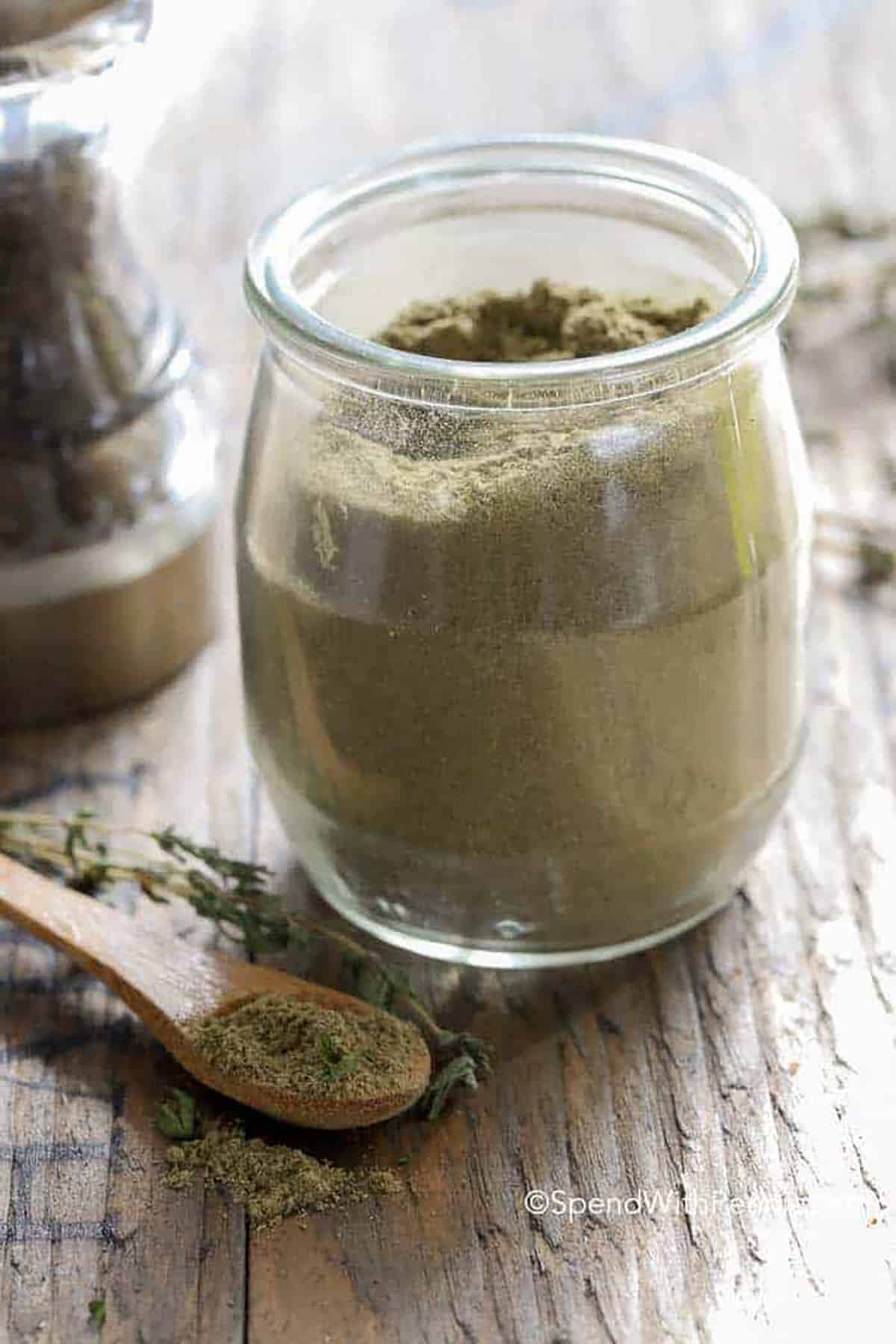
Consider the texture, too. While store-bought poultry seasoning is typically finely ground, a homemade version, especially when made without a spice grinder, often boasts a more rustic, textured appearance. Culinary expert Nicole Hopper, from Simply Recipes, notes this distinction, highlighting that "storebought poultry seasoning is all finely ground–there are no whole pieces of herbs." While a fine powder can be achieved with a mortar and pestle or spice grinder, many, including Nicole, appreciate the visual appeal of identifiable herb pieces in a rustic blend. This coarser texture can also release flavors more gradually during cooking, adding nuanced complexity. The ease of finding regular dried herbs like thyme, sage, and marjoram, as opposed to their finely ground versions, further simplifies the homemade process.
The Essential Ingredients: Crafting Your Perfect Blend
At its heart, classic poultry seasoning is a harmonious medley of dried herbs and a touch of spice. The core ingredients typically include:
*
Dried Sage: The undisputed star, offering an earthy, slightly peppery, and piney aroma that is synonymous with Thanksgiving.
*
Dried Thyme: A delicate, savory, and slightly minty herb that complements sage beautifully.
*
Dried Rosemary: Pungent, piney, and woody, rosemary adds a robust, aromatic backbone.
*
Dried Marjoram: A gentler, sweeter cousin to oregano, marjoram provides subtle floral and citrus notes.
*
Ground White Pepper: Essential for that classic, musky warmth.
*
Ground Nutmeg: A hint of sweet, woody spice that rounds out the herbal medley.
While these form the basic, highly effective combination, you can also experiment with small amounts of other additions like celery seed for a subtle vegetal note, a pinch of cayenne pepper for a gentle kick, ground ginger for warmth, or even dried lemon peel for a bright, citrusy lift.
The White Pepper Advantage
Many home cooks might reach for black pepper out of habit, but for authentic poultry seasoning flavor, white pepper is key. Though both come from the same plant, white peppercorns undergo a different processing method where their outer, fruity skin is removed. This process gives white pepper a distinctively musky, earthy character that is less bright and pungent than black pepper. It's this unique musky warmth that contributes significantly to the familiar, comforting flavor profile of classic poultry seasoning. While black pepper can certainly be used, don't miss the opportunity to experience the difference white pepper makes.
Rosemary: The Needle in the Haystack
One common challenge when making homemade poultry seasoning is the size and texture of dried rosemary. Unlike finely crumbled sage or thyme, dried rosemary leaves are often long and needle-like, which can feel disproportionate in a blend. The solution is simple: crushed rosemary. If you only have whole dried rosemary, simply chop it up a bit on a cutting board or gently crush it between your fingers before adding it to your mix. This ensures an even distribution of flavor and a more harmonious texture throughout your blend, preventing any single bite from being overwhelmed by a large rosemary needle.
Elevating Your Culinary Creations: Beyond the Bird
While its name clearly points to poultry, homemade poultry seasoning is a remarkably versatile blend that deserves a place in your spice cabinet for much more than just holiday roasts. Its balanced herbal profile makes it a fantastic flavor enhancer for a surprising array of dishes. Nicole Hopper beautifully captures its essence, stating it "smells like Thanksgiving!" Imagine that scent of dried herbs, bloomed in butter or simmering in stock, wafting through your home – that's the magic it brings.
Here are just a few ways to harness its power:
*
Roasted Chicken or Turkey: The most obvious, yet most satisfying. Mix a generous amount into softened butter and slather it liberally under the skin and over the entire surface of your bird before roasting for an incredibly aromatic and flavorful result.
*
Savory Stuffing/Dressing: A non-negotiable ingredient for the ultimate Thanksgiving side dish, poultry seasoning infuses stuffing with that iconic, comforting flavor.
*
Homestyle Casseroles: Stir a teaspoon or two into creamy chicken and noodle casseroles, green bean casseroles, or any dish needing an herbaceous boost.
*
Soups and Stews: From hearty lentil stews to comforting chicken noodle soup, a dash of poultry seasoning can deepen the savory notes and add a layer of warmth.
*
Gravies and Sauces: Whisk it into your pan drippings or a simple béchamel to create a rich, aromatic gravy or sauce that complements any main course.
*
Roasted Vegetables: Toss root vegetables like potatoes, carrots, parsnips, or Brussels sprouts with olive oil and poultry seasoning before roasting for a fragrant and flavorful side.
*
Pot Pies: Elevate the filling of chicken pot pies or even savory vegetarian pot pies with this classic blend.
*
Compound Butter: Mix poultry seasoning with softened butter and minced garlic to create a delicious compound butter, perfect for spreading on crusty bread, finishing steaks, or melting over corn on the cob. This is just one example of how to use this versatile blend to unlock its full flavor. If you're looking for more innovative applications, explore recipes that go
Beyond the Bird: Unlocking Poultry Seasoning's Full Flavor.
A Nod to History: The Legacy of Poultry Seasoning
The concept of combining specific herbs and spices to season poultry isn't new, but the widespread commercialization of "poultry seasoning" as a standardized blend has a clear historical root in America. Its origins trace back to 1867 in Boston, Massachusetts, when William G. Bell created what would become the original Bell's Seasoning. This invention was perfectly timed, coming shortly after Thanksgiving was declared a national holiday in 1863, and it quickly became a staple in New England kitchens, simplifying the process of seasoning holiday meals, particularly the traditional Thanksgiving turkey.
Bell's Seasoning established a touchstone for many who grew up with parents or grandparents relying on it for their holiday cooking. It defined, for generations, what poultry seasoning "should" taste like, with its unique blend of sage, rosemary, thyme, marjoram, and a secret mix of other spices like ginger and celery seed. Understanding this history helps us appreciate the enduring appeal and cultural significance of this seemingly simple spice blend. For a deeper dive into its origins and lasting impact, read more about
Bell's Legacy: The True Taste of Classic Poultry Seasoning.
Conclusion
Making your own homemade poultry seasoning is a small effort with significant rewards. It's an opportunity to control the quality of your ingredients, customize flavors to your liking, and enjoy the unparalleled freshness that store-bought blends simply cannot match. From its comforting aroma that instantly conjures images of holiday feasts to its incredible versatility in enhancing everything from roasted vegetables to hearty soups, this herbal blend is a true culinary MVP. So, gather your dried herbs, embrace the joy of crafting your own spice blend, and prepare to infuse your kitchen with the rich, inviting taste of Thanksgiving, any day of the year.