The culinary world is rich with flavor enhancers, but few hold the same comforting power and versatility as poultry seasoning. This unassuming blend of dried herbs and spices often conjures images of festive holiday meals, succulent roast turkeys, and grand family gatherings. Yet, to relegate poultry seasoning solely to the realm of fowl would be to miss out on an entire universe of flavor possibilities. Far beyond the bird, this potent mix can transform everyday dishes into extraordinary culinary experiences, adding a layer of depth and aroma that is both enlivening and deeply nostalgic.
The Heart of the Blend: Unpacking Poultry Seasoning's Core Ingredients
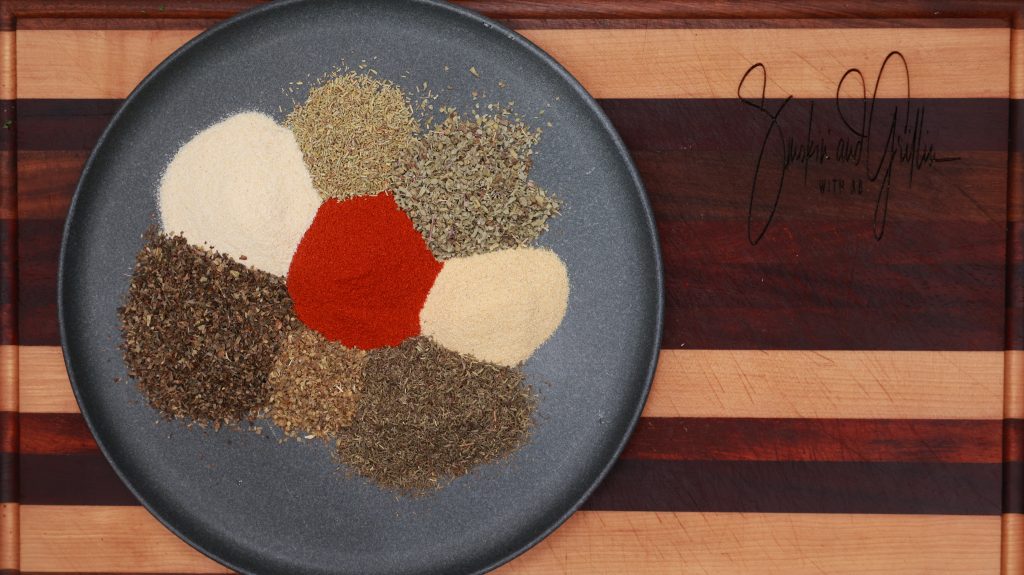
At its essence, poultry seasoning is a carefully balanced symphony of traditional herbs and spices, designed to complement and elevate a wide range of dishes. While specific recipes can vary, the foundational elements typically include:
- Sage: Earthy, slightly peppery, and intensely aromatic, sage is often considered the star of the blend, contributing that unmistakable "Thanksgiving" aroma.
- Thyme: With its subtle minty, lemony, and savory notes, thyme provides a delicate counterpoint to the robustness of sage.
- Rosemary: Piney, woody, and slightly floral, rosemary adds a distinctive fragrance and a hint of Mediterranean warmth.
- Marjoram: A gentler cousin to oregano, marjoram offers sweet, piney, and citrusy undertones that mellow the stronger herbs.
- White Pepper: Crucial for that authentic poultry seasoning flavor, white pepper offers a unique musky character, distinct from the sharper heat of black pepper.
- Nutmeg: A whisper of warm, sweet spice that adds complexity and rounds out the herbal notes.
This core blend creates a profile that is at once subdued and intense, capable of infusing dishes with a profound sense of "homestyle" comfort. The blend's origins trace back to 1867 in Boston, Massachusetts, where William G. Bell created what would become Bell's Seasoning. This pioneering product emerged shortly after Thanksgiving became a national holiday, simplifying the complex task of seasoning holiday meals and quickly becoming a staple in American kitchens. While the traditional blend remains king, some variations might incorporate other elements like celery seed, ground ginger, cayenne pepper for a gentle kick, or even dried lemon peel for a brighter finish, showcasing the adaptability of this classic. For a deeper dive into its historical significance, explore Bell's Legacy: The True Taste of Classic Poultry Seasoning.
Crafting Your Own: The Art of Homemade Poultry Seasoning
While readily available in most spice aisles, making your own poultry seasoning at home offers distinct advantages: unparalleled freshness, the ability to customize ratios to your preference, and often, a more vibrant aroma and flavor profile. The process is surprisingly simple, requiring only a handful of common dried herbs and spices.
Texture Matters: A Homestyle vs. Store-Bought Distinction
One key difference you'll notice between homemade and store-bought poultry seasoning is the texture. Commercial blends are typically finely ground to a powder, offering a uniform appearance. When making it yourself, you have control over this:
- Rustic Charm: Using common dried herbs (like whole thyme or marjoram leaves) will result in a more rustic blend where the individual herbs are visible. Many home cooks, ourselves included, appreciate this visual appeal and texture.
- Crushed Rosemary: A vital tip for homemade blends is to use crushed rosemary. Full, needle-like dried rosemary leaves can be quite large and sharp, creating an uneven texture. If you only have whole rosemary, a quick chop on a cutting board or a grind with a mortar and pestle will achieve the desired effect.
- Fine Powder: If you prefer the fine powder consistency of store-bought versions, a spice grinder or a mortar and pestle will quickly transform your blend into a uniform, fine powder. Don't have these tools? Don't let it stop you; the slightly coarser texture of a rustic blend is just as delicious and arguably more appealing.
The Distinctive Choice: White Pepper vs. Black Pepper
Understanding the role of white pepper is crucial for achieving that authentic poultry seasoning flavor. While both come from the same plant, white peppercorns undergo a different processing method where the outer skin is removed. This process results in a distinctly musky, earthy flavor profile that is quite different from the fruitier, sharper notes of black pepper. While black pepper can certainly be used to create a wonderful seasoning, opting for white pepper will lend your homemade blend that familiar, classic taste that truly "smells like Thanksgiving." Ready to try your hand at it? Get started with Homemade Poultry Seasoning: Taste the Thanksgiving Aroma.
Beyond the Roast: Creative Culinary Applications for Poultry Seasoning
While its name suggests a primary use, poultry seasoning is a remarkably versatile blend that deserves a place in your pantry for a myriad of culinary adventures. Its warm, herbaceous profile can elevate dishes far beyond the traditional Thanksgiving turkey.
Elevating Everyday Meals:
- Compound Butters: Mix poultry seasoning with softened butter and minced garlic to create a savory compound butter. Slather this over a whole roast chicken, spread it on crusty bread, or melt it over steamed vegetables for an instant flavor boost.
- Roasted Vegetables: Potatoes, carrots, Brussels sprouts, and butternut squash all sing when tossed with olive oil and a generous sprinkle of poultry seasoning before roasting. The herbs caramelize beautifully, adding depth.
- Soups and Stews: A teaspoon or two can transform brothy soups, hearty lentil stews, or even a simple chicken noodle soup. It adds a layer of comfort and savory complexity that feels homemade.
- Gravies and Sauces: Whisking poultry seasoning into pan drippings for gravy, or adding it to creamy sauces, enriches their flavor profile, making them more robust and herbaceous.
- Casseroles and Pot Pies: For ultimate homestyle comfort, incorporate poultry seasoning into the filling of chicken pot pie, shepherd's pie, or any savory casserole. It ensures a cohesive, deeply flavorful dish.
- Stuffing and Dressings: An obvious but essential application. Poultry seasoning is the backbone of any great stuffing, bringing together the bread, vegetables, and other aromatics.
Unexpected Twists:
- Vegetarian & Vegan Dishes: Don't limit this blend to meat! Tofu scrambles, lentil loaves, mushroom pâtés, or even roasted chickpeas can benefit from its savory, umami-rich notes, especially for those seeking "meaty" flavor without the meat.
- Marinades and Rubs: Beyond poultry, consider using it as a dry rub for pork tenderloin, lamb chops, or even substantial white fish before grilling or pan-searing. It provides a delightful herbal crust.
- Savory Baked Goods: Mix a pinch into savory scones, biscuits, or even bread dough for an aromatic, herbaceous treat that pairs wonderfully with soups or stews.
- Eggs: A sprinkle over scrambled eggs, omelets, or frittatas adds an unexpected and delicious herbal dimension to breakfast or brunch.
The key is to experiment. Start with a small amount and adjust to taste, letting the blend's distinct character guide your culinary creativity. The beauty of poultry seasoning lies in its ability to bring warmth, depth, and a touch of nostalgic comfort to almost any savory dish.
The Enduring Legacy of a Comforting Classic
From its humble beginnings as a practical solution for holiday cooks, poultry seasoning has cemented its place as a true American culinary icon. The simple yet profound blend, spearheaded by innovations like Bell's Seasoning, transcended its initial purpose to become a touchstone for generations. It represents more than just a mix of herbs; it embodies the spirit of home cooking, family traditions, and the comforting aroma that signals celebration and togetherness.
Its ability to evoke the warmth of Thanksgiving, even on a Tuesday night, is a testament to its perfectly balanced composition. Whether you purchase it pre-made or craft your own bespoke blend, the enduring appeal of poultry seasoning lies in its power to transform the ordinary into the extraordinary, proving that true flavor often lies in the most comforting and familiar of spices.
In conclusion, poultry seasoning is a powerhouse of flavor that extends far beyond its namesake. Its distinctive blend of sage, thyme, rosemary, marjoram, white pepper, and nutmeg offers a unique profile that can elevate everything from roasted vegetables and hearty stews to compound butters and even unexpected vegetarian dishes. Embrace its versatility, experiment with its applications, and discover how this classic blend can unlock a world of comforting and enlivening flavors in your kitchen. It's time to move beyond the bird and truly savor the full potential of poultry seasoning.
